The Healing Power of Food
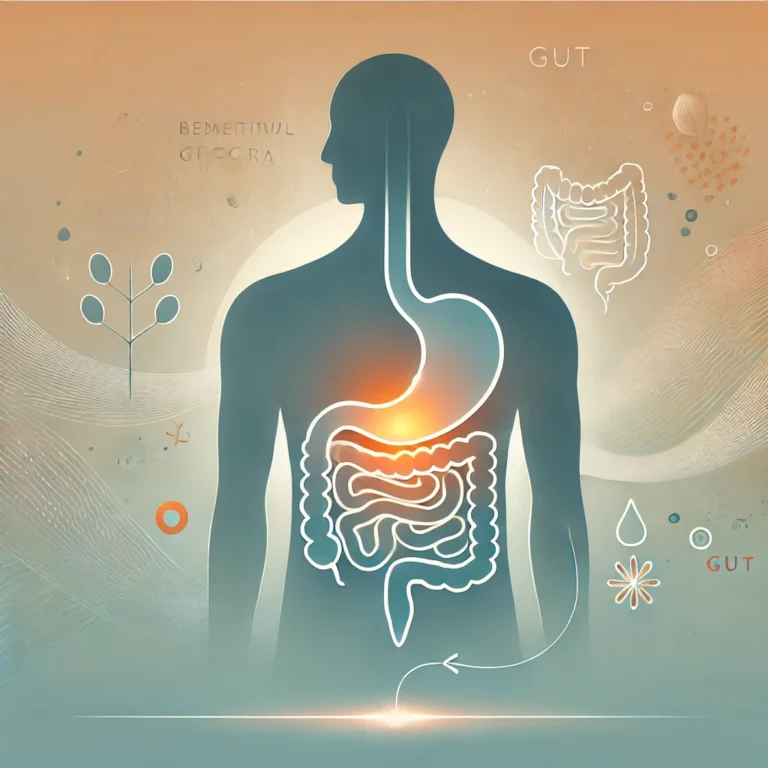
What do you do when food becomes your enemy? When every bite feels like a gamble and could induce bloating, fatigue, brain fog, or worse? I’ve been there. I was diagnosed with SIBO, Candida, and MCAS among other thing, and over the years I’ve navigated almost every restrictive diet you can imagine including Low FODMAP, Low Histamine, Carnivore, Anti-Candida, and even the Elemental Diet.
This is my personal journey through the maze of dietary protocols highlighting what worked, what didn’t, and how food became both my medicine and my biggest source of frustration.
Diagnosed but Still Sick – When One Condition Leads to Another
My symptoms came on slowly at first. I had digestive issues, extreme fatigue, dry skin, cracking hands, and bizarre reactions to food that I couldn’t explain. I had diarrhea one day and constipation the next, tinnitus, eye floaters, cold hands and feet, and increasing difficulty sleeping.
After years of frustration, I was diagnosed with Candida by a naturopath, followed by SIBO and MCAS through a functional medical doctor later on. But diagnosis didn’t mean healing.
I did it all. SIBO breath tests, stool testing, OAT, and food sensitivity panels. And yet…I still felt broken. Each new symptom felt like my body was spiraling out of control.
Diets I Tried and What They Taught Me
Diet became my lifeline—but also a source of confusion and grief. Here’s what I tried:
Low FODMAP
This was the most impactful for managing SIBO. Reducing fermentable carbs helped ease bloating and constipation. I used the Monash app and FoodMarble AIRE 2 to dial in which foods triggered fermentation for me.
Low Histamine
This diet was a game-changer for MCAS. I followed the SIGHI list religiously, froze all meats, and avoided leftovers. It helped reduce histamine overload, but also shrank my food list to almost nothing.
Carnivore & Keto
These helped simplify things, especially during MCAS flares. I struggled following these long-term as it required a lot more prep and I had to be diligent about histamines. In addition it was quite expensive to follow the carnivore diet, on top of the other supplements and medications I was on.
Anti-Candida Diet
When I first found out I had Candida, I went sugar-free, grain-free, and focused on starving the overgrowth. This worked to reduce symptoms but became difficult to maintain without slipping into over-restriction. It became basically a Carnivore or Keto diet and I was spending lots of mental effort in trying to determine if I was in ketosis or not.
Elemental Diet
I did this for 21 days, hoping it would be the reset I needed. It wasn’t. My symptoms didn’t improve as I had expected and I was left feeling hopeless. This isn’t the case for everyone. On top of that, the elemental diet is quite expensive. It is important to understand your expectations and unique situation before doing the elemental diet.
Colon Cleanse
This was my real reset. After doing a shake-based colon cleanse, I could eat a broader range of foods. I was feeling fantastic. It didn’t last forever, but it gave my system a break and reduced the reactivity I’d been living with. While this didn’t solve things, this gave me a huge clue as to what was going on with me, and where I might need to focus. I had felt “normal” for about a week after, and I knew my body could feel like that permanently if I could figure out what was going on.
The Hardest Part – Living on a Tiny Food List
There were weeks where I ate the same 5–6 foods over and over. Meals were no longer enjoyable, they were fuel. I grieved food. I grieved the life I had before. Seeing others eating all the foods they craved, even in my own house felt like being in jail and seeing everyone living life outside the cell I was in.
Socially, I withdrew. When friends invited me out I decided to decline instead of sit through the torture of seeing everyone else enjoy their foods and drinks. Restaurants were impossible as it was difficult to know what ingredients were used and if I would react. I felt completely isolated.

The major turning point for me was realizing food wasn’t the thing that was missing, I was missing feeling normal. My friends didn’t care that I wasn’t eating the same thing, I cared. I let those feeling keep me from enjoying the connection of others, and being normal. I started joining friends again, even if I didn’t eat. It can’t be understated that this change positively impacted my mental health and was a key to my overall healing.
What Helped Me Heal
Functional Support & Tracking Tools
I worked with a functional doctor and a nutritionist to craft a diet plan based on my labs and symptoms. I tracked everything using FoodMarble and my symptom journal. This allowed me to understand the trends and see what was causing issues. I was making adjustments regularly to try and avoid symptoms and reactions.
Reintroduction = Hope
It took many months, but slowly I reintroduced foods. Not everything went well. Some FODMAPs triggered histamine or MCAS flares. Over time I was able to reintroduce more and more foods with smaller reactions. Some days I celebrated, like the day I ate gluten-free pizza with no reaction. Days like that gave me hope, even if I had regressions, I was able to see that healing was possible.
Tools, Tricks & What I Eat Now
My Typical Day
I try to vary my meals and foods as much as possible, but here is what I generally try to follow and what makes me feel the best:
- Breakfast: I try to have protein and fats to start the day. I do my best to avoid carbs so that I don’t have an insulin spike. I have found that leftover meat from the previous days supper and something like an avocado work great for me. Early on I wasn’t able to have avocados early on due to histamine, so initially I would put extra virgin olive oil in a morning drink to get the healthy fats.
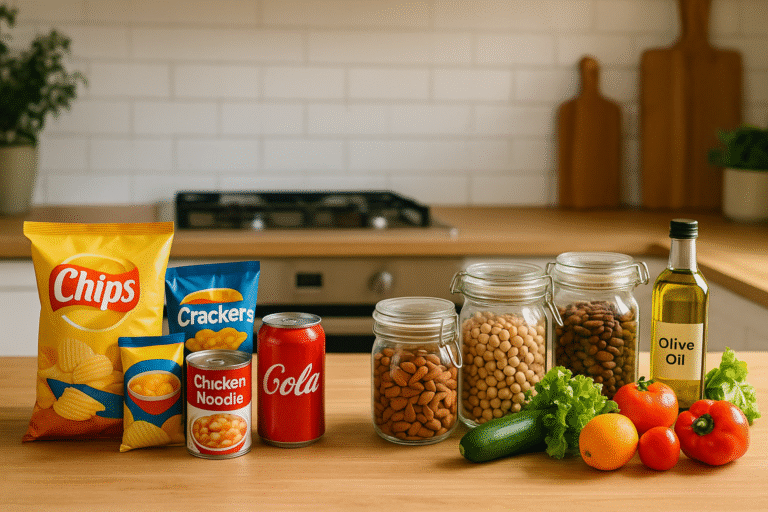
- Lunch: If I have any protein leftover I will include it in my lunch, along with some vegetables. My go-to vegetables have always been romaine lettuce and cucumbers. I have found those never caused any reaction for me. I sprinkle some olive oil on top for dressing.
- Supper: I typically cook chicken or beef for supper. I rotate it to add a little variety. I again pair it with a salad.
I am not advocating for this type of restrictive diet, but in order to calm my body down and not react to foods, I had to eat very plain. Over time I started to add back other types of food like carrots, potatoes, pork and some gluten-free grains as examples.
My Flare Protocol
It wasn’t a question of if, but when I would have a flair after eating food. My reactions were all very similar. It would start with my heart rate increasing, brain fog starting to set in, fatigue and getting the spaced out feeling. Sometimes it would come with a headache and feeling nauseous. Here are the things I would do when I started to feel a flare coming on:
- Hydration and Electrolytes: If I was dehydrated the flares always hit harder, so I would try to have lots of water, and add in sea salt, potassium and magnesium.
- Activated charcoal binder: Sometimes the flair I thought was driven by food, was actually driven by other toxins circulating in my body and the food I ate just pushed my body over the edge. In those cases activated charcoal helps to bind to toxins and pull them out of circulation. It doesn’t fix things immediately, but I have found it reduces the intensity and duration of feeling sick. Activated charcoal has been a staple for me since first trying it. You do need to be careful when taking activated charcoal. If you have it close to any other medications or supplements it will affect absorption. I take it 2 hours away from supplements or medication.
- Rest and deep breathing: As soon as I would start feeling sick I would hydrate or take activated charcoal and then go to lay down. I would practice deep breathing to try to relax my body. Diaphragmatic breathing would help calm down and let my body know it was safe.
These techniques don’t magically fix a flair, but I found they did help.
Favorite Tools & Resources
Here are the most important resources I used to navigate foods:
- SIGHI list: The gold standard for understanding histamines in foods. I started by avoiding anything above a zero, and gradually added foods back, starting with foods labeled as 1.
- Monash App: Specifically for SIBO, Monash has great information about FODMAPs
- FoodMarble AIRE 2: This helped me track my reactions and foods, giving me important insights into SIBO.
Food as a Clue, Not Just a Cure
Diet didn’t cure me, but it helped me understand what was going on. It even led me to discover a sulfur sensitivity, later confirmed through genetic testing. Looking back, many of the challenges I had, with food relate to a sulfur sensitivity and my ability process sulfur. Without tracking foods and symptoms, and listening to my body I wouldn’t have been able to figure it out.
There is no one-size-fits-all. But I believe the goal is always the same: reduce reactivity so the body can heal.
Advice for the New & the Burned Out
Simplify First
My biggest mistake was trying to change too much all at once. I felt overwhelmed and was difficult to keep track of everything. I wish I would have simplified and started with a basic diet. For some people that might be salad and meat, for others that could be meat and rice. Everyone is individual, and that goal is to see what you react to. It can be helpful to do an elimination diet, but I would suggest chatting with your doctor first to help.
Listen, Don’t Force
If your body is reacting, it’s talking to you. Listen to your body and try to understand what it’s saying. It will take time for you to get understand what is happening and how to adjust, but it is worth it. I can now tell quickly when things aren’t right and my body is going to react negatively.
Find Your Why
It is critical to have a sense of why you are trying to heal. The more specific you can make that goal, the more powerful it is. Initially I kept telling myself that my goal was to get healthy. During the hard days, and there were many, my goal didn’t drive me. I eventually changed my goal to “become healthy enough to take my family on a trip of a lifetime”. This inspired me and gave me direction every time I had a setback or felt awful.
Final Thoughts – This Is Hope, Not Hype
If you’re deep in the trenches and barely eating, barely functioning, I see you. I was you.
But food can become your ally again. Each bite can give you information. Each small win is a step toward freedom. Keep moving forward.
If you can’t fly then run, if you can’t run then walk, if you can’t walk then crawl, but whatever you do you have to keep moving forward.
Dr. Martin luther king
FAQs
Not completely, but it’s essential. It calms the fire so you can address the root causes.
Start with Low FODMAP if gas and bloating are dominant, Low Histamine if reactions and rashes are the issue. Combine only when needed. I found these two were the best for me.
There are lots of reasons “healthy” foods might cause issues. These include histamine, oxalates and sulfur as examples. Your response matters more than the food label.
The goals is as short as possible, but long enough to reduce inflammation and reactivity. There is no standard answer, everyone is in a unique situation.
I have been able to eat more normally again, however I didn’t just go back to eating the way I had previously. I am more conscious about what I am eating and building healthy habits. I can eat basically anything again, but it is in moderation and with overall health in mind. I don’t want to go to how sick I was previously.
Your Turn – What Surprised You Most About Food?
I’d love to hear from you. What’s one food that surprised you, either because it helped or hurt your healing journey? Leave a comment below and let’s support each other.