
My Health Journey – Part 4: Functional Medical Testing
In my previous posts I have explained my issues, and why I decided to go down the route of a functional medical doctor. In this post I will explain what that experience was like and what I learned. I will walk through the types of tests and the benefit each had. I will also explain what I would have done differently, if I had to do it again. For anyone that has dealt with strange gut issues, or other strange health issues, this will give you some ideas on what to do next.
The First Consult: Finally Feeling Heard

What the Intake Process Looked Like
When I booked my consult, I was given a very detailed intake form to complete. This document was 60 pages long that went over many different aspects of my health, dating back to when I was a kid. I also needed to get copies of any medical testing from previous doctors.
The First Consult and Week of Testing
Based on the information I had provided on the intake, I spent 60 minutes reviewing the information and answering questions that the functional medical doctor asked. He was trying to get a clear picture of what was bothering me so that he could conduct the appropriate tests. My doctor went through my medical history, symptoms, my lifestyle, past treatment. He also dove into any interventions I had tried and what made me feel better or worse. From our initial conversations, he had a pretty good idea of what I was experiencing based on my symptoms, but his approach was “test, don’t guess”. To provide some context, the symptoms I had listed as being the worst were:
- Increasing list of food intolerances
- Brain Fog
- Acid Reflux
- Numbness and tingling in arms and feet
- Cold hands and feet
- Excessive sweating
- Extremely dry skin
- Issues sleeping, and breathlessness at night
- Mix of diarrhea and constipation
- Certain smells, perfumes and chemicals would make me sick
Following the intake, he performed a physical. One of the first things he showed me while doing a scratch test was something called dermatographia. Dermatographia, also known as “skin writing,” is a condition where light scratching or rubbing of the skin causes raised, itchy lines or welts that look like writing. He was able to show me this on my skin by scratching it. The doctor said it was a histamine response, something that I had never heard of before, but I would become intimately familiar with very soon. He was also able to see how dry my skin was. Beyond those two items, he said the tests would tell us much more.
The next few hours were the basic tests like blood pressure and taking blood. Due to the amount of blood they needed to take for all the tests, it needed to be split up over multiple days. This is why my visit was over the course of a week.
The Labs I Did
Here is a list of the initial labs I did to uncover what was going on with me. Below I have linked some of the tests for you to see more detail about them.
Gut Health & Digestion
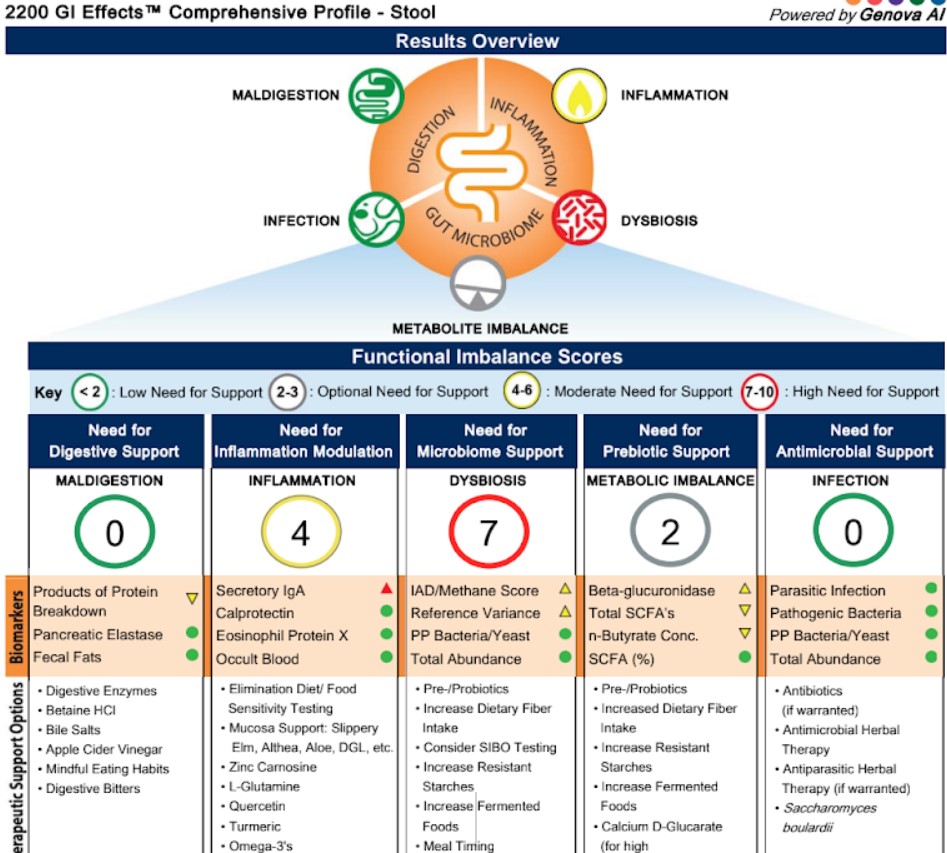
- Comprehensive Stool Analysis (Genova)
- Lactulose & Glucose SIBO Tests (SIBO Canada)
- Advanced Intestinal Barrier Assessment (Precision Point)
Comprehensive Stool Analysis (e.g. Genova GI Effects)
What it tests: Gut bacteria (good and bad), parasites, yeast (candida), inflammation, digestive function, short-chain fatty acids, and immune markers like secretory IgA.
Why it’s valuable:
- Identifies dysbiosis, candida, or pathogens that may be driving inflammation and leaky gut.
- Shows whether you’re actually digesting fats, proteins, and carbs properly — crucial for energy and healing.
- Detects hidden inflammation and immune dysfunction in the gut lining.
Best for: Anyone with chronic bloating, inconsistent stools, fatigue after eating, or unexplained food reactions.
Lactulose & Glucose SIBO Breath Tests (e.g. SIBO Canada)
What it tests: Gas levels (hydrogen, methane, and optionally hydrogen sulfide) after ingesting lactulose or glucose to detect bacterial overgrowth in the small intestine.
Why it’s valuable:
- Pinpoints which type of SIBO you have — which is essential, because methane, hydrogen, and H2S SIBO require different treatments.
- Helps explain symptoms like bloating, constipation, diarrhea, reflux, or food sensitivities that don’t improve with diet alone.
- Essential for designing the right protocol — whether herbal, antibiotic, or elemental.
Best for: Anyone who experiences rapid bloating after meals, irregular bowel movements, or gets worse on prebiotics or fermented foods.
Advanced Intestinal Barrier Assessment (Precision Point Diagnostics)
What it tests: Markers of intestinal permeability (“leaky gut”), including tight junction damage, immune activation, and mucosal layer integrity.
Why it’s valuable:
- Shows whether your gut barrier is letting unwanted substances leak into your bloodstream, triggering immune reactions and inflammation.
- Provides a clear picture of how inflamed and damaged your gut lining really is — which is crucial for long-term healing.
- Helps guide gut repair protocols and validate whether you’re ready to reintroduce foods.
Best for: Anyone with autoimmunity, multiple food sensitivities, chronic fatigue, skin issues, or who’s had long-term gut issues with no clear cause.
Why These Tests Work Together
Stool test = what’s living in your gut and how it’s functioning
SIBO test = what’s happening upstream in your small intestine
Barrier test = is your gut lining damaged and letting inflammation in?
Inflammation, Food, and Immune Response
- IgE Food Antibodies (Genova)
- Food Sensitivity & Inhalant Profiles (Meridian Valley Lab)
- Mediator Release Test (Oxford Biomedical)
- Mold Testing (Mycometrics)
IgE Testing (Food Allergies)
What it tests: Immediate immune reactions (true food allergies).
Why it’s valuable: Even if you’re mostly focused on SIBO or candida, hidden food allergies can cause inflammation, histamine issues, and worsen gut permeability.
Symptoms to watch for: Hives, swelling, anaphylaxis, asthma, eczema.
IgG / IgA Food Sensitivity Tests
What it tests: Delayed immune reactions to foods (can take hours or days to manifest).
Why it’s valuable: Chronic bloating, fatigue, skin issues, and brain fog can be linked to sensitivities that silently fuel inflammation and gut permeability.
When it matters most: Especially useful in leaky gut or immune-triggered gut issues.
Mediator Release Test (MRT)
What it tests: Measures the inflammatory response (release of chemical mediators like histamine, prostaglandins, cytokines) to 170+ foods and chemicals.
Why it’s valuable: Unlike IgG/IgA which only measure antibodies, MRT shows how much your immune system is reacting—whether or not antibodies are involved.
Ideal for: People with IBS, migraines, MCAS, or those who react to many foods and don’t know where to start.
Why This Testing Can Be a Game-Changer
Avoid unnecessary food restriction: Testing helps you move from guessing to knowing. This avoids fear-based eating and over-restriction, which can make healing harder.
Support gut repair: Removing reactive foods calms the immune system and gives your gut lining a chance to heal.
Target inflammation: If you’re doing a SIBO or candida protocol, and you’re still inflamed, your diet may be keeping the fire going.
Nutrients, Metabolism & Hormones
- IGL Labor blood testing
- ION® Profile (Genova)
- Fatty Acid Analysis (BodyBio)
- Prodrome Scan
- Body Composition (RJL Systems)
- Saliva & Urine Panels (ZRT Labs)
IGL Labor Blood Testing (Toxins, Mitochondria, Infections)
What it tests: Mitochondrial function, environmental toxins (like mold, heavy metals), chronic infections, and immune markers.
Why it’s valuable:
- Identifies underlying blocks to healing — especially if you’ve done gut protocols but still feel fatigued or foggy.
- Helps detect hidden toxin burdens that could be driving inflammation and nervous system issues.
- Clarifies if your energy production pathways are impaired, which is crucial for tissue repair and digestion.
Best for: Those with fatigue, exercise intolerance, mold history, brain fog, or relapses despite treatment.
ION® Profile (Genova Diagnostics)
What it tests: A comprehensive panel of vitamins, minerals, amino acids, organic acids, neurotransmitters, fatty acids, and oxidative stress markers.
Why it’s valuable:
- Reveals functional deficiencies that don’t show up on basic bloodwork (like B6, magnesium, CoQ10, glutathione).
- Uncovers detoxification issues, neurotransmitter imbalances, and nutrient blocks impacting digestion and mood.
- Provides a full-body systems check for energy, methylation, inflammation, and gut health.
Best for: Anyone with complex symptoms, nervous system issues, or who wants to optimize long-term health and resilience.
Fatty Acid Analysis (BodyBio)
What it tests: Omega-3, omega-6, saturated, and monounsaturated fats — including ratios like AA:EPA and omega-3 index.
Why it’s valuable:
- Shows if your cell membranes are healthy and functioning — essential for nutrient absorption, hormone signaling, and inflammation control.
- Identifies inflammatory fat patterns that could be fueling gut inflammation or brain fog.
- Guides targeted support using phospholipids (like BodyBio Balance Oil) to rebuild gut and brain tissue.
Best for: People with leaky gut, MCAS, fatigue, mood swings, or neurological symptoms.
Prodrome Scan
What it tests: Levels of key plasmalogens and related lipid biomarkers associated with cellular aging, neuroinflammation, and mitochondrial function.
Why it’s valuable:
- Plasmalogens protect your nervous system and mitochondria, and are depleted in chronic illness and neurodegenerative conditions.
- Low plasmalogens are linked to poor detoxification, energy issues, and immune dysfunction — common in people with gut and brain issues.
- Helps you know if supplementing with specific lipids (like ProdromeGlia or ProdromeNeuro) could support your recovery.
Best for: Brain fog, fatigue, early cognitive decline, chronic illness, or as part of a long-term healing strategy.
Body Composition (RJL Systems Bioimpedance)
What it tests: Fat mass, lean mass, body water, cellular health, and phase angle (a marker of membrane integrity and resilience).
Why it’s valuable:
- Gives insight into your biological vitality — the lower it is, the more inflamed or depleted your body may be.
- Helps track healing progress, especially during protocols that involve detox, fasting, or rebuilding tissue.
- Useful to monitor malabsorption, muscle loss, or water retention in gut-compromised individuals.
Best for: Anyone doing a long-term gut repair or detox protocol who wants to measure functional recovery, not just weight.
Saliva & Urine Panels (ZRT Labs)
What it tests: Hormones (cortisol, estrogen, progesterone, DHEA, testosterone), melatonin, and sometimes neurotransmitters, nutrients, or toxins.
Why it’s valuable:
- Tracks adrenal function (HPA axis) and stress hormone patterns that influence gut motility, leaky gut, and MCAS.
- Identifies hormonal imbalances that can affect digestion, immunity, and mood.
- Saliva and urine testing offer a more dynamic look at daily hormone patterns compared to one-time blood draws.
Best for: Those with fatigue, insomnia, anxiety, menstrual or thyroid issues, or who aren’t responding to gut protocols as expected.
Why These Tests Matter for Gut Healing
These labs go upstream to look at why your body isn’t healing — from mitochondrial dysfunction to cellular breakdown to hormone chaos. For many people, resolving the gut is only part of the story.
My Summary
The extent of testing I did was pretty comprehensive. Looking back on the tests, I think they were a little overkill for my symptoms and I likely could have gotten away with fewer tests. The reason I believe this that based on my stool tests, many of the other downstream test results would be expected. What I mean is that if you have inflammation and dysbiosis, you likely have leaky gut and issues absorbing nutrients. If I was to do it over again, in my situation I would prioritize these tests (or similar):
- Comprehensive Stool Analysis (e.g. Genova GI Effects)
- IgE Food Antibodies (Genova)
- Food Sensitivity & Inhalant Profiles (Meridian Valley Lab)
- Mediator Release Test (Oxford Biomedical)
- Mold Testing (Mycometrics)
I believe that with these tests, I would have been able to appropriately get a protocol set up for my healing.
The Testing Process
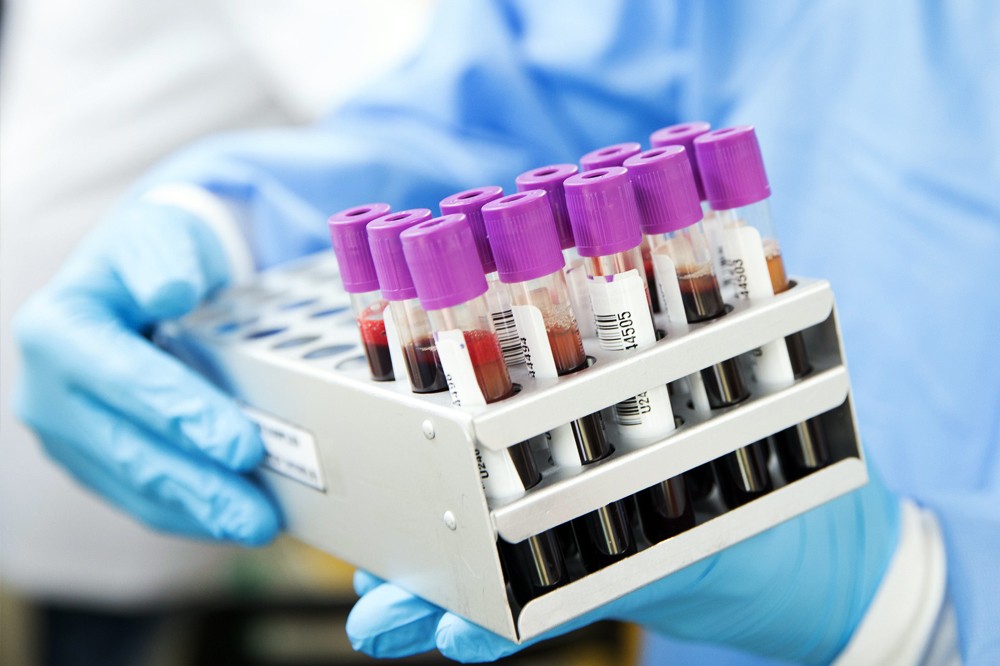
Most lab tests were done using blood samples, however there were a few exceptions. I did 1 and 3 day stool tests which required me to take stool samples. There was also a 24 hour urine test, which required me to carry around a jug of urine for an entire day. Needless to say after the tests in the doctors office were completed each morning, I would leave to relax on my own.
Later in the week I did some nervous system testing, and biofeedback. This gave me immediate results which showed that my nervous system was overwhelmed and was in fight or flight.
Costs
Working with a functional doctors can be quite expensive. In many cases insurance doesn’t cover the costs, and it isn’t covered by nationalized healthcare, such as in Canada. My one week of tests, assessments and interactions with the doctor costed about $25,000 Canadian. At this point I felt like I didn’t really have other options as I wasn’t getting anywhere with other doctors.
The Results: Finally Seeing the Whole Picture
What the Data Revealed
I had to wait about a month for my follow-up consult when all of my test results were available, but needless to say it was worth the wait.
What it showed was a number of cascading issues, here is a summary:
- Mitochondrial dysfunction (low ATP production, high oxidative stress).
- Environmental toxin burden, especially heavy metals, VOCs, mold toxins, and persistent organic pollutants.
- Chronic SIBO / IMO and candida, with confirmed methane dominance.
- Compromised intestinal barrier (“leaky gut”) and food sensitivities.
- Impaired lipid and plasmalogen metabolism, affecting brain, nerve, and immune health.
- Hormonal and adrenal imbalances, early HPA axis dysregulation, and low iodine.
- MCAS or Mast Cell Activation Syndrome
What Did the Results Mean?
I will break all the results of the tests in more detail in a future post, but for now it is just important to know that there were issues. These issues were deeper and needed to be addressed systematically. As I would come to know my issues likely started from one root cause and cascaded to many issues over time. Like a clogged drain, the system eventually gets too much pressure and has a leak somewhere. For me it was spilling out and causing multiple issues, which made it so difficult to understand what the root cause was. Finding your root cause is a big topic and I will cover that in a future post as well.
Emotional Impact of the Diagnosis
Finally having some answers provided a mix of relief and questions. I went from “everything looks fine” to having a whole list of issues to address. On one hand I felt validated, on the other I was feeling a little overwhelmed. I was hoping to find one small thing that was easy to address, and really wasn’t mentally prepared for my results. I knew I was at the beginning of my journey to heal, and I had a lot of learning and changes ahead of me. It was very naive to think that this would be a simple thing to address and new very little about most of the issues, including what I learned was the most complex, MCAS.
What is MCAS (Mast Cell Activation Syndrome)
If you are anything like I was, this might be the first time you have heard about MCAS. It is important to my story as escalated a lot of the initial issues I was facing and needed to be addressed to heal anything else.
Mast Cell Activation Syndrome (MCAS) is a condition where certain immune cells in the body, called mast cells, overreact and release too many chemicals at the wrong times. This can cause a wide range of symptoms like fatigue, digestive issues, skin rashes, headaches, and even feeling lightheaded or anxious. Many people with gut challenges like SIBO, candida overgrowth, or other gut imbalances also deal with MCAS without even realizing it. When mast cells are triggered too easily, it can make healing the gut much harder and lead to confusing, frustrating symptoms. The good news is that once you understand what’s happening, there are ways to calm the body and support healing.
If you search online you will see a lot of horror stories about MCAS and how bad it can get for people. It can absolutely can be debilitating and I experienced a lot of challenges, but I do want to tell you that I went from daily medication in order to be functional, to being off of medication for MCAS completely. There is hope, but it can be a slow a difficult process. I’ll be sharing much more about MCAS in an upcoming post, but for now, just know you’re not alone and there are answers.
Healing in Layers – My Summarized Protocol
The Focus Areas
- Address MCAS (Mast Cell Activation Syndrome)
- Decrease dysbiosis (SIBO, candida)
- Reduce inflammation and food reactivity
- Support nervous system regulation
- Detox mold and environmental toxins
- Rebuild gut lining and nutrient reserves
What’s Next: My Path Forward
The Ongoing Plan
The plan with my functional medical doctor was to continue my protocol and redo the gut testing after about 6 months. This would give me time to change my diet, try to kill off SIBO/IMO and candida and get my nervous system back on track. The intent was to try and reduce the amount of medication and supplements needed as my body healed.
Reflections on Functional Medicine
The functional medical approach was a game changer for me. It gave me answers that I would not have been able to get otherwise. Conventional medicine did not provide any of the tests I received which ultimately provided me with answers.
While functional medicine is great, the downside is cost and access. I had to travel to another city to get testing done, and initial costs were over $25,000 Canadian. This is not a small amount and I realize that I am very fortunate to be able to afford this. I would still recommend functional medical practitioners as they have immense benefit. It is important to find the right one of you and one that has appropriate pricing. Here is a link to a directory, and in the future, hopefully there is a way to provide transparent pricing for practitioners.
What I Wished I Would Have Known
The practitioner I worked with was very knowledgeable about many different conditions related to the gut and MCAS. Because of this, I followed his lead with blind faith. I am not suggesting there was anything wrong with the protocol, it has helped me heal. What I mean is that I wasn’t as in control of my plan, I was a passenger. This matters as you start to heal as you may need to make adjustments. I wasn’t asking enough questions to get a sense of what every component and supplement was important for. As an example, when SIBO lingered, I didn’t ask enough questions to be able to question the updated protocol.
What is equally important is understanding your root cause. This is not something that wasn’t on my radar before my sessions with my functional medical doctor. I never asked questions about the root cause of my issues, or what drove them to get worse. Traditional medicine is about addressing the symptoms, so I was conditioned to think cause and effect. Taking a supplement or medication would solve the symptom. This isn’t always the case and I would come to learn that the body is so complex. One root cause could impact the rest of your body. I wish I would have understood that concept and asked questions about what my root cause was. Finding your root cause (or causes) can be extremely difficult, but if you can, it will make healing easier and quicker, with fewer rollercoaster moment, like I have had.
What I Think Was Missed
Looking back after years dealing with these issues, one of the biggest things that I believe was missed was genetic testing. Understanding what I was predisposed to would have unlocked some missing pieces and may have helped me heal even faster. Genetic testing would have narrowed down the root cause of my issues.
Final Thoughts: If You’re Still Searching for Answers
You’re Not Alone
You might be surprised at how many people are in your similar situation. So many people have symptoms that confuse conventional doctors and make you feel like you are going crazy. I want you to know that there are answers out there, you just need to find the right people to help. At many points along my path I felt like it would never get better and would be stuck feeling awful. There is hope to feel normal again. As of the time of writing this, I am actually enjoying a trip to Disney World with my family. Something I never though I would be able to do during some of my darkest moments. Whether it was crowds, the heat, the rides, the lack of food options, all of it scared me to think of. I have spent the last 8 months doing everything in my power to get myself healthy enough to do this once in a life-time trip, and things turned out okay. Focus on your goals and what you want, and let those things guide you.
Let me know if you have had success with any tests and which ones have been the best for you.






One Comment