The Hidden Poisons Lurking in Everyday Life: A Review of The Human Upgrade Podcast Episode
For years, my life was shaped by invisible triggers. I battled mast cell activation syndrome (MCAS), chemical sensitivities, mitochondrial dysfunction, and relentless allergies. Simple things like walking into a freshly painted room, using the wrong laundry detergent, or even sitting in certain buildings could send my body into a storm of symptoms.
A critical part of my healing came when I learned that I needed to reduce my toxic burden. Once I started removing everyday exposures, I noticed space for my body to heal. That’s why Alan Bell’s story on The Human Upgrade Podcast hit me so deeply. His whole life was upended by toxins and his experience reflected much of what I’ve lived through myself.
In this article, I’ll share some highlights from the podcast that align with my experience. I suggest everyone have a listen to Bell’s story.
The Silent Epidemic: How Toxins Make Us Sick
Alan Bell was a prosecutor in the 1980s, taking on organized crime. But the enemy that nearly killed him wasn’t the mafia, it was his own office building. New carpets, paints, and glues released volatile organic compounds (VOCs) that left him with seizures, chemical sensitivities, and eventually confined to a bubble in the desert just to survive.
His story may sound extreme, but I recognized pieces of it in my own journey. Like Bell, I’ve learned how poor air quality and everyday chemicals silently erode our health. From chronic fatigue to brain fog to autoimmunity, many conditions we write off as “genetic” are actually fueled by toxic overload.
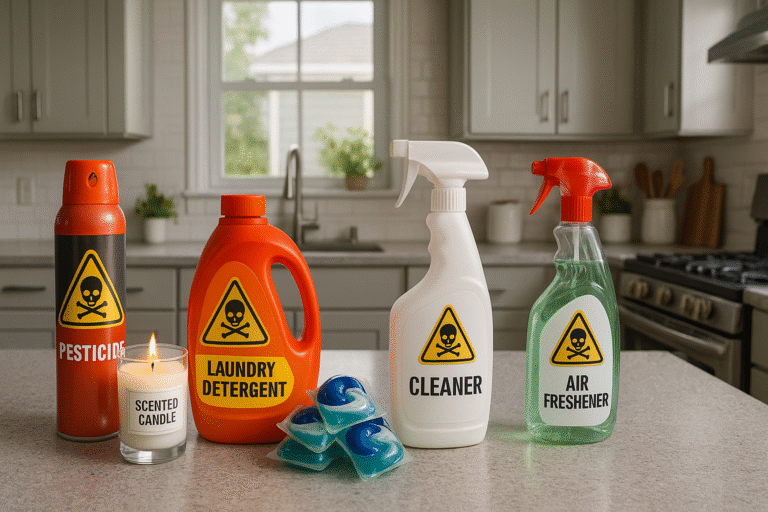
Why So Many Chemicals Slip Into Our Homes
One of the most eye-opening things I learned from Bell is that in the U.S., chemicals are presumed innocent until proven guilty. That means:
- 80,000+ new chemicals have been introduced in just the past 30 years.
- Everyday items like baby bottles, furniture, mattresses, and cosmetics can contain toxins that were never tested for safety.
- Unlike Europe or Canada, where chemicals must be proven safe first, U.S. law lets companies release them freely.
I used to assume that if a product was on store shelves, it had to be safe. Now I know better. When I began questioning the products in my home I started to see clear connections between exposure and my symptoms.
The 10 Most Dangerous Everyday Chemicals
Bell identifies 10 chemicals that are especially concerning. Many of them were part of my own exposures:
- Acrylamide – found in fried foods, food packaging, cosmetics, and tobacco smoke.
- Atrazine – a widely used agricultural pesticide, especially on corn.
- Benzene – in petroleum products, linked to neurological and reproductive harm.
- Bisphenol A (BPA) – in plastics, food containers, and toys.
- Perfluorinated Chemicals (PFCs) – in non-stick pans, waterproof clothing, and stain-resistant fabrics.
- MTBE (Methyl Tertiary-Butyl Ether) – a gasoline additive contaminating water.
- Perchlorates – in rocket fuel and some fertilizers.
- Phthalates – common in fragrances, plastics, and personal care items.
- PBDEs (flame retardants) – in furniture, mattresses, electronics.
- Short-chain chlorinated paraffins – used in paints, plastics, and lubricants.
Reading this list was sobering. But instead of feeling overwhelmed, I started with small, consistent changes.
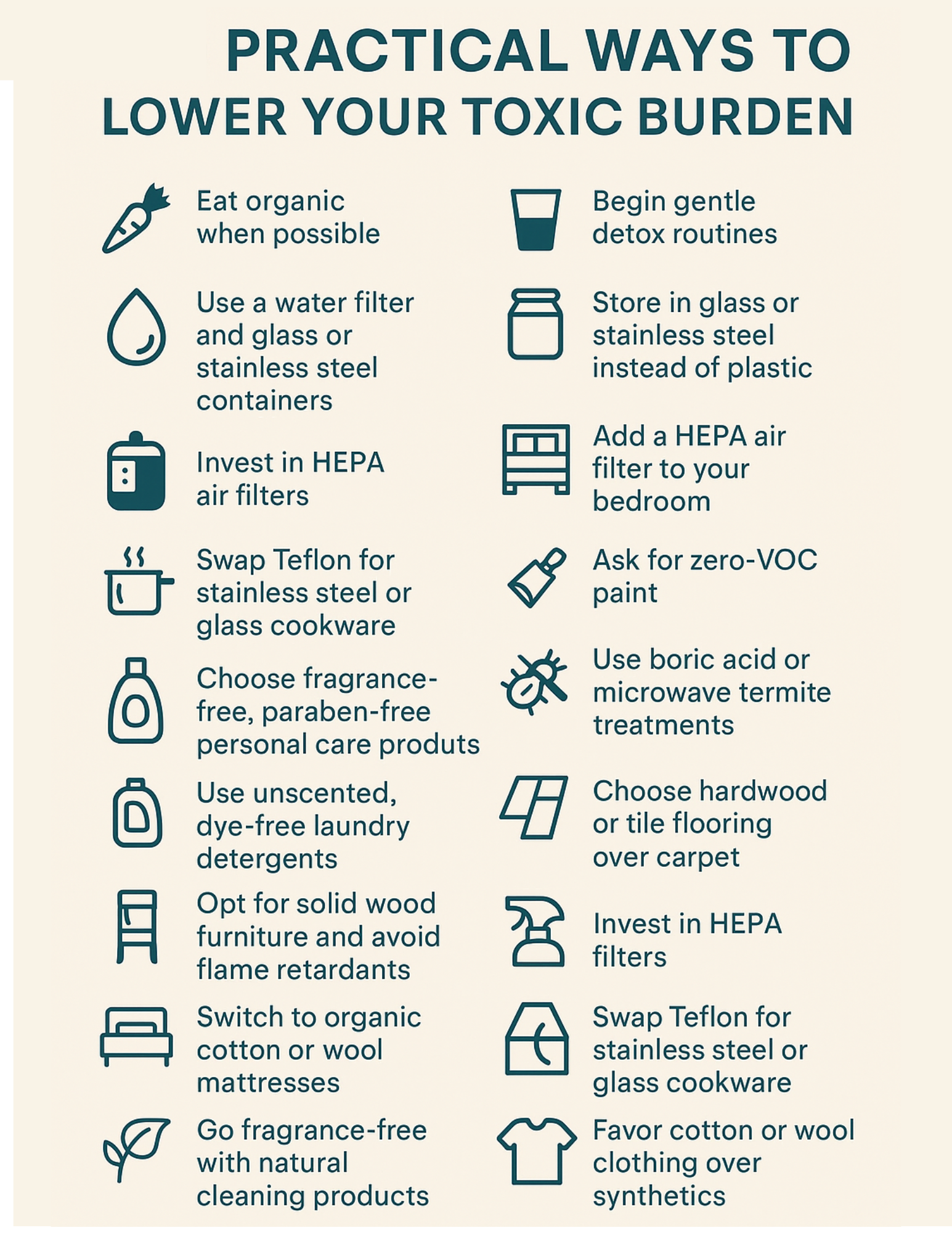
Practical Ways To Lower Your Toxic Burden
You don’t need to move into a bubble to protect yourself, like Alan did. I started with a few easy swaps and over time, they added up. Here are some of the steps that Bell recommendations. I have
- Food: Eat organic when possible, especially the “Dirty Dozen.”
- Water: Use a filter and store in glass or stainless steel, not plastic.
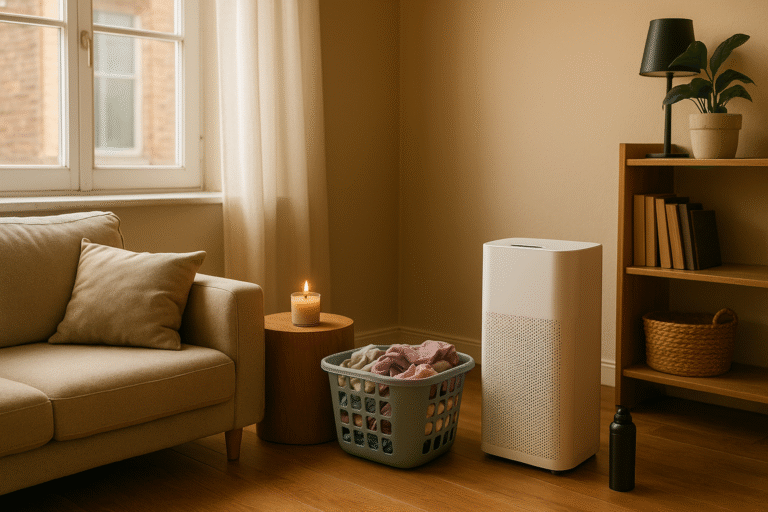
- Air: Invest in HEPA filters, especially in the bedroom.
- Cookware: Swap Teflon for stainless steel or glass.
- Personal Care: Choose fragrance-free, paraben-free products.
- Laundry: Use unscented, dye-free detergents.
- Furniture: Opt for solid wood and avoid flame retardants.
- Bedding: Switch to organic cotton or wool mattresses without chemicals.
- Cleaning: Go fragrance-free with natural cleaning products.
- Clothing: Favor cotton or wool instead of synthetics.
- Paint: Ask for zero-VOC paints.
- Pest Control: Use boric acid or microwave treatments instead of chemical sprays.
- Home Surfaces: Hardwood or tile over carpet.
MCAS, Mitochondria, and Why This Matters
For those of us with MCAS or mitochondrial dysfunction, the stakes are even higher. Research now shows that many chronic illnesses are connected to mast cell activation where the immune system overreacts to chemical triggers, releasing inflammatory chemicals that wreak havoc on the body.
For me, lowering my exposures reduced the “landmines” that were setting off reactions. Supporting my mitochondria with things like MCT oil, glutathione, and sulforaphane (from broccoli extracts) are also what Dave Asprey uses to detox.
This combination of removing toxins and strengthening resilience is what Dave Asprey preaches, and I have found it works as well.
Action Steps You Can Take Today
Here are five simple places to start if you want to reduce your toxic burden:
- Switch your laundry detergent to unscented and dye-free.
- Add a HEPA air filter to your bedroom.
- Switch your non-stick cookware for stainless steel.
- Use glass or stainless steel for water and food storage.
- Get a good water filter, like a reverse osmosis system
Conclusion
If you’re struggling with mysterious symptoms like fatigue and allergies to brain fog and chronic pain, it might not just be your body “failing.” Like me, you may be carrying a toxic burden that your body simply can’t manage anymore.
Alan Bell’s story reminded me that while the system isn’t built to protect us, we can take steps to protect ourselves. And those small changes add up.
I’d love to hear from you: What’s one toxic swap you’ve made that helped your health the most? Share it in the comments your story could inspire someone else’s healing journey.