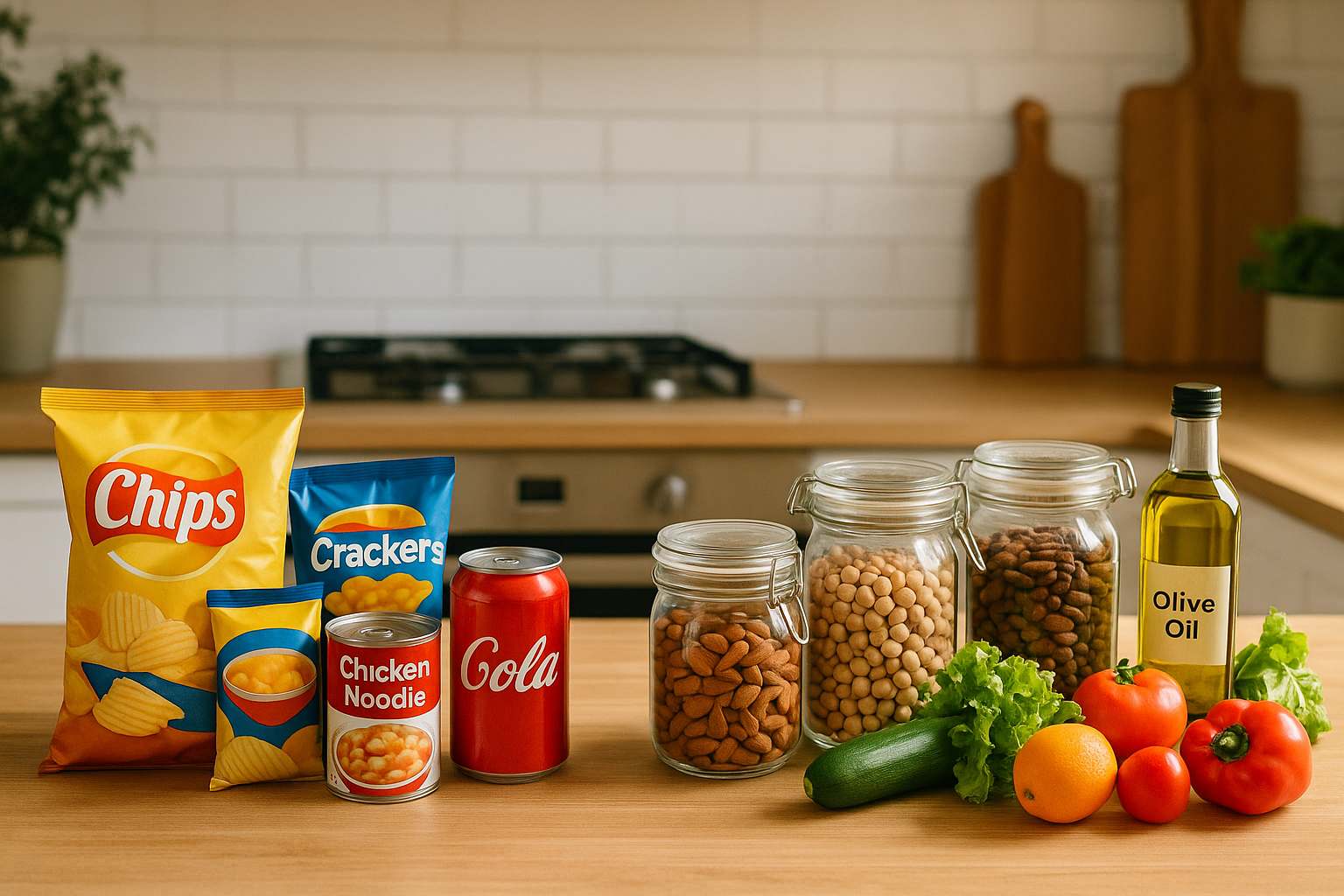
Detox Your Home – Part 2: What’s in Your Fridge and Pantry?
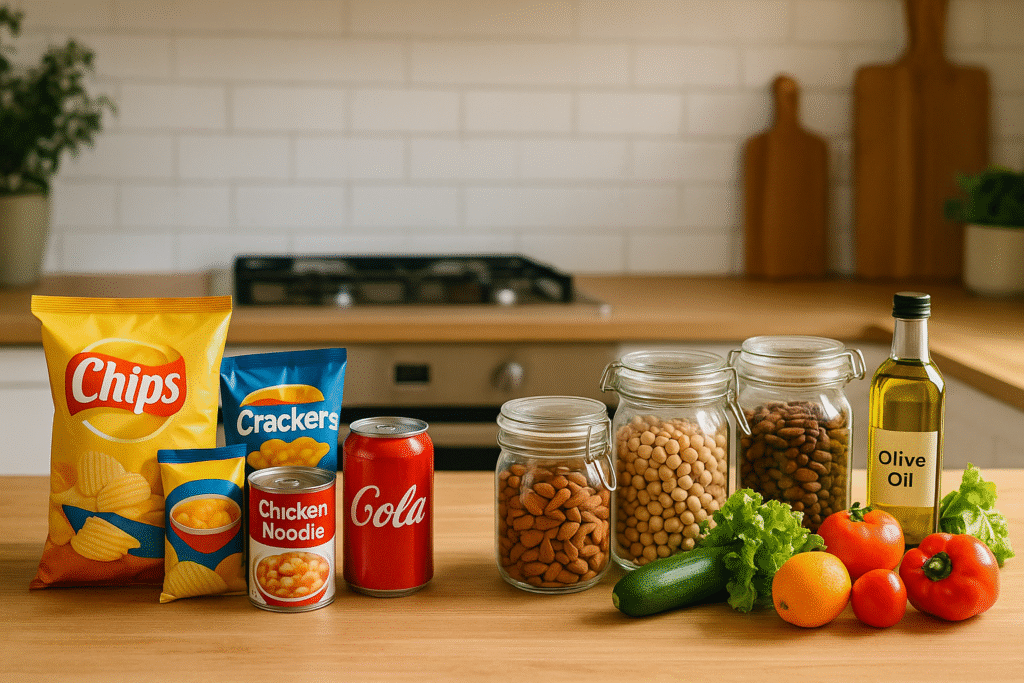
When I first started reading about toxins in food it was after being diagnosed with SIBO and MCAS. I was blown away by how much garbage is actually in the foods we eat. As I began to look through my fridge and pantry, I was shocked. Even the products I thought were healthy were filled with ingredients I couldn’t pronounce. I had no idea that so many additives, preservatives, and packaging materials could be affecting my gut health. Once I started cleaning up my food choices, I began to notice a difference.
This post is all about what’s really in your fridge and pantry, how to spot the worst offenders, and how to make smarter choices without getting overwhelmed.
Why Processed Foods and Additives Can Hurt Your Gut
Many food chemicals are designed to make food taste better, last longer, or look more appealing. But they can also disrupt digestion, irritate the gut lining, and impact your microbiome. Some are even linked to hormone disruption or cancer.
If you’re dealing with gut issues like SIBO, candida, or MCAS, these additives can act like fuel to the fire.
The Biggest Offenders: Food Additives to Watch Out For
Artificial Sweeteners
- Aspartame: Linked to mood swings, gut microbiome shifts, and even cancer.
- Sucralose (Splenda): May reduce beneficial bacteria and increase inflammation.
- Acesulfame K: Suspected to disrupt hormones and impact metabolism.
How to Spot Them: Check the ingredients list for names ending in “-ame” or “-ose” that aren’t natural (e.g., aspartame, sucralose).
Preservatives
- BHA and BHT: Added to cereals and snack foods; both are possible carcinogens.
- Sodium benzoate: Found in soda and acidic foods; can form benzene, a known carcinogen.
- Propyl gallate: Used in oils and meats; linked to hormone disruption.
How to Spot Them: Look near the end of the ingredient list. If a product has a long shelf life and you can’t pronounce the ingredients, be suspicious.
Artificial Dyes
- Red 3, Red 40, Yellow 5, Yellow 6, Blue 1: Common in kids’ snacks and candy. Linked to hyperactivity, mood issues, and allergic reactions.
How to Spot Them: These are often listed by their color and number. Avoid products that simply say “color added.”
Emulsifiers & Thickeners
- Polysorbates, cellulose gum, carrageenan: Used in non-dairy milks, sauces, and dressings. Can disrupt the gut lining and feed inflammatory responses.
How to Spot Them: Anything that ends in -gum, or has a number and chemical name, is worth questioning.
Sneaky Sources: Pesticides and Plastics
Pesticide Residue
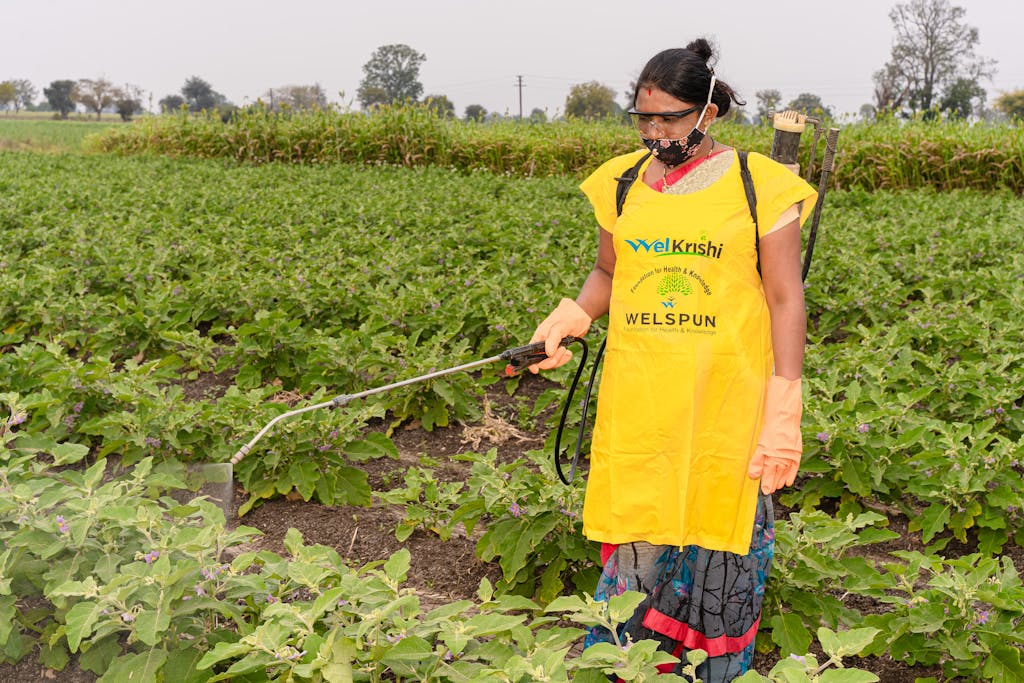
Even fresh produce can be toxic if it’s not organic. Many fruits and vegetables carry pesticide residue that can affect your hormones and microbiome.
What Are the Dirty Dozen and Clean Fifteen?
The Dirty Dozen and Clean Fifteen are lists created by the Environmental Working Group (EWG), a nonprofit that analyzes pesticide data from the USDA. These lists help consumers make informed choices about produce, especially if buying all organic isn’t realistic.
- The Dirty Dozen highlights fruits and vegetables with the highest levels of pesticide residue—even after washing.
- The Clean Fifteen includes produce with the lowest pesticide levels, making them safer to buy conventionally.
These lists are especially helpful for people with gut issues, allergies, or chemical sensitivities who want to reduce their toxic load through food.
Dirty Dozen (Buy Organic)
- Strawberries
- Spinach
- Kale
- Apples
- Grapes
- Peaches
- Cherries
- Pears
- Tomatoes
- Celery
- Potatoes
- Bell peppers
Clean Fifteen (Okay to Buy Conventional)
- Avocados
- Sweet corn
- Pineapple
- Onions
- Papaya
- Frozen sweet peas
- Eggplant
- Asparagus
- Cauliflower
- Cantaloupe
- Broccoli
- Mushrooms
- Cabbage
- Honeydew
- Kiwi
Packaging Problems
- BPA and BPS: Found in can linings and plastic containers.
- Phthalates: Found in plastic wrap, takeout containers.
- PFAS: Found in grease-proof packaging like fast food wrappers.
- Microplastics: Shed from bottles and containers, especially when heated.
Better Alternatives:
- Store food in glass or stainless steel.
- Avoid microwaving in plastic.
- Choose fresh or frozen over canned foods.
I didn’t realize how much plastic I had around food until I started to clean it out. Almost all of our food storage was plastic. This was likely driven by the fact it was so cheap and easy to use. The fact that food leaches small amount of plastic into it is disturbing. It likely isn’t possible to completely eliminate plastics from food storage and packaging, but it is important to reduce your exposure as much as you can.
Tools to Make Smarter Food Choices
Apps That Can Help:
- EWG’s Healthy Living app (free): Scan barcodes and get safety scores for processed foods.
- Yuka app (free): Rates food and personal care items with an easy-to-understand health score.
Label-Reading Tips
- Ingredients are listed by quantity. If sugar or oil is in the top 3, skip it.
- Look for short, recognizable ingredient lists.
- Watch for vague terms like “natural flavors”.
Safer Swaps for Common Pantry Items
| Item to Ditch | Better Option |
|---|---|
| Boxed mac & cheese | Organic brand with no dyes or preservatives |
| Artificial sweeteners | Raw honey, maple syrup, or stevia (pure) |
| Soda | Sparkling water with lemon or fruit slices |
| Microwave popcorn | Stovetop or air-popped organic popcorn |
| Canned tomatoes | Glass jarred or boxed BPA-free tomatoes |
| Flavored yogurt | Plain yogurt + real fruit |
| Shelf-stable salad dressing | Olive oil + balsamic vinegar (DIY) |
| Plastic food containers | Glass containers (e.g., Pyrex, Wean Green) |
Tips to Reduce Toxins Without Breaking the Bank
- Buy organic versions of just the Dirty Dozen.
- Cook at home more often to avoid packaging.
- Wash produce thoroughly (1 part vinegar, 3 parts water).
- Gradually replace items as you run out.
Final Thoughts
My experience is that cleaning up your food goes a long way to helping you heal, but it will not be a magical cure. Each change adds up and as you continue to make healthier choices and switches, the burden on your body reduces. I cannot point to one single change that made me feel better, but I know that each and every one made a positive impact.
In the next article I will talk about air pollutants and their impact on your health.
Share Your Wins or Questions
What’s one thing you found in your pantry that surprised you? Or one swap you’re proud of making? Leave a comment below and let’s learn from each other
FAQ’s
Aspartame, BHA, BHT, Red 40, sodium benzoate, and propyl gallate are among the worst due to links with cancer, hormone disruption, and gut issues.
Not always, but it’s often lower in pesticides and synthetic additives. Start with the Dirty Dozen.
Focus on the most contaminated items. Frozen organic produce is often cheaper.
Reducing your toxic load helps your body detox naturally over time, especially if you support it with hydration, fiber, and nutrient-rich foods. Depending on your situation it may or may not be enough on its own.


One Comment